Helping children and adults with low literacy skills read better with a game
WordSpeed is a game that teaches children and adults with low literacy skills to improve their reading skills. Homework has suddenly become fun!
WordSpeed trains technical reading with a playful, motivational version of a method proven in practice.
The game combines knowledge of behavioral change and motivation with the years of experience of psychologists and remedial educationalists.
The game has been developed for both home and classroom use. Teachers and parents can track progress on a separate dashboard.
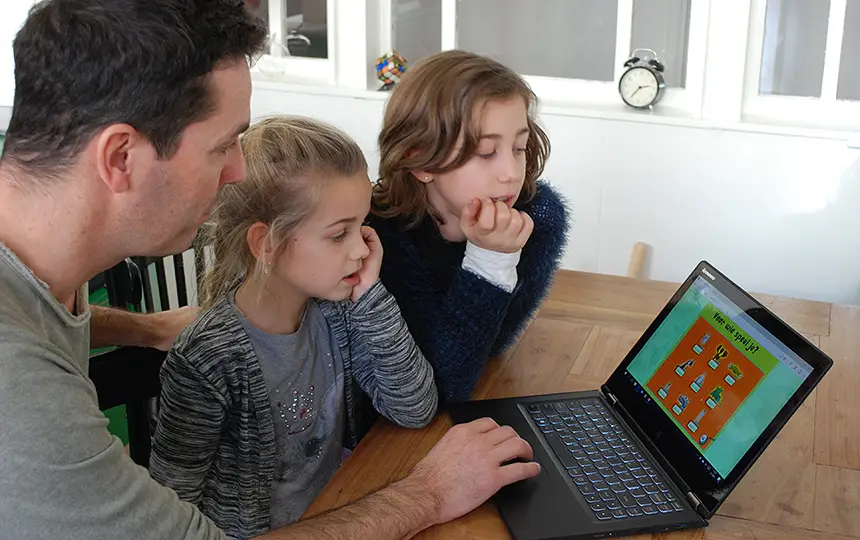
Learning by teaching
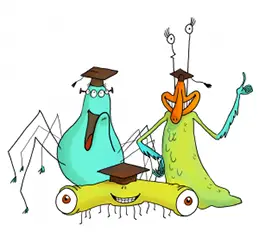
WordSpeed likes to do things just a little differently: it appoints the playing, learning child as the language teacher.
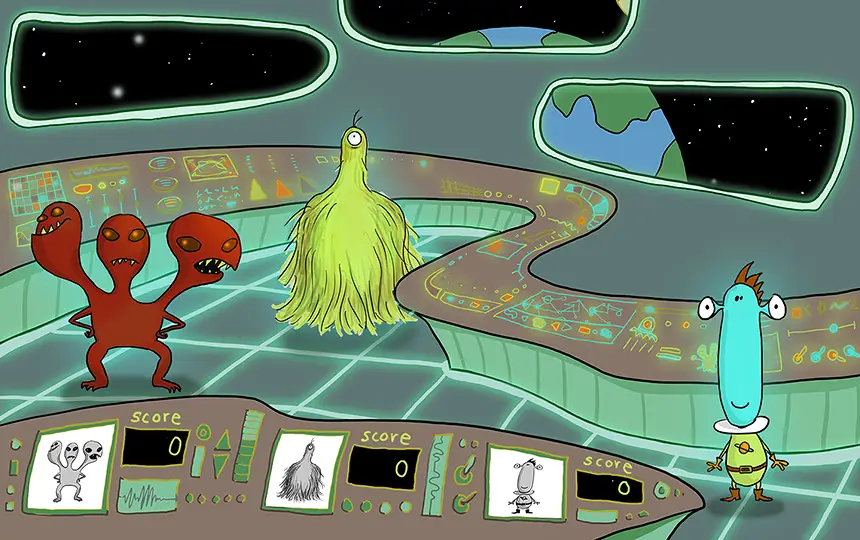
Can this young professor teach a group of quirky alien students to improve their pronunciation?
The wacky aliens are not just comical, but tap into our innate motivation to help somebody else.
Learning through play is just more fun, and therefore much more effective.
How does a game teach children and people with low literacy skills to read better?
The best way to learn is by teaching someone else.
By treating the player not as a student, but as a teacher, the game bolsters their learning ability.
It treats the player as capable and focuses on what someone can do.
WordSpeed combines this with an adaptive learning pace: the player starts at their own level, and the difficulty adjusts automatically. This maximizes the learning effect.

WordSpeed in action
For both
home and school
Dashboard
for parents and teachers
Adaptive
learning pace
Combines
playful motivation with practical knowledge
The steps to developing
an educational game
Bringing together the team
The workgroup consists of 6-8 participants of the most important stakeholders.
This means the project team, the end users and, potentially, externals such as ethicists and healthcare professionals.
Game Ready Workshop
Together with the team of stakeholders, we
- define our goals and design criteria
- come up with ideas
- draft the first prototype
in a day-long creative workshop.
Development & testing
A prototype becomes a MVP, shaped by choices made with the whole team.
Development is an iterative process: we build, test and apply our learnings to the next round.
Implementation
The finished product is implemented and ready for use.
We provide training to ensure long-term use and enjoyment of the product.


